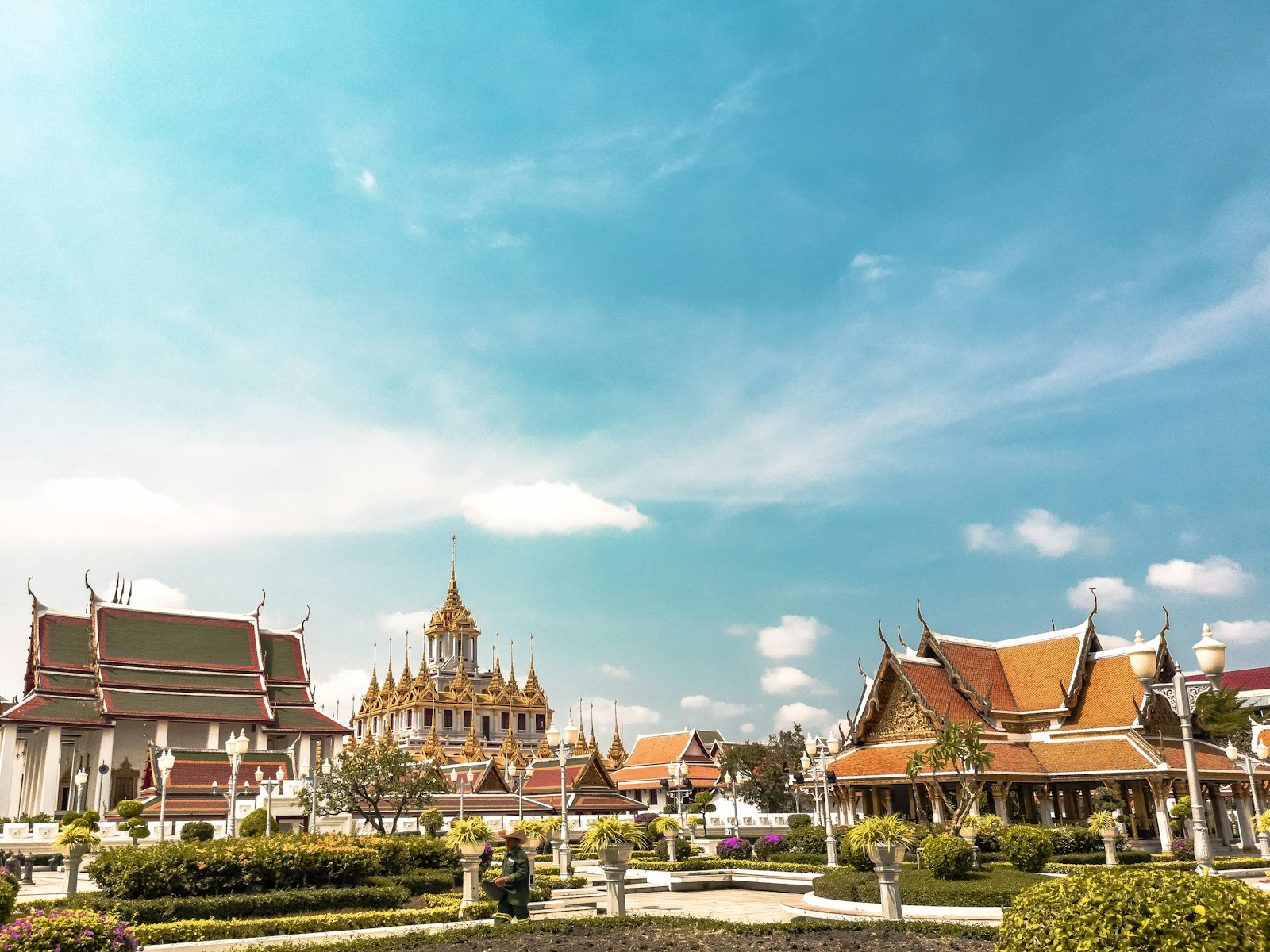
Arrive at a Phuket temple fair after dusk and the first sense is density: incense coils, fryer oil, a generator humming under a speaker stack, children chasing balloons between plastic chairs. The second sense is order. People know where the sacred begins. The courtyard may host a temporary stage, but the ordination hall still asks for quiet steps and covered shoulders.
Temple fairs — often tied to merit-making calendars, renovations, or local saint days — are Phuket’s most intimate carnival form. They do not require an amusement gate. They require a neighbourhood that agrees, for a stretch of nights, to turn the wat into a civic living room.
Devotion with a sound system
Writers hunting only for “party Thailand” miss how carefully joy is framed. Elders sit near the edge of the light. Teenagers invent dances that will never appear in a brochure. Monks move through the same air as grilled squid smoke. The ethics are practical: do not block the path to the shrine; do not treat the Buddha image as a backdrop for clowning; leave space for those who came to make merit rather than to film.
A fairground’s temporary lights rewrite a familiar courtyard — and then the courtyard remembers itself.
That temporary rewrite is the carnival heart. Coloured bulbs outline roofs that look different by daylight. A ferris installation or game stall may appear for a week, echoing the vocabulary of larger leisure grounds without replacing the temple’s purpose. Carnival Lights reads these nights as social essays: how communities fund repairs, how vendors become seasonal neighbours, how a loudspeaker becomes a shared clock.
The neighbourhood economy of joy
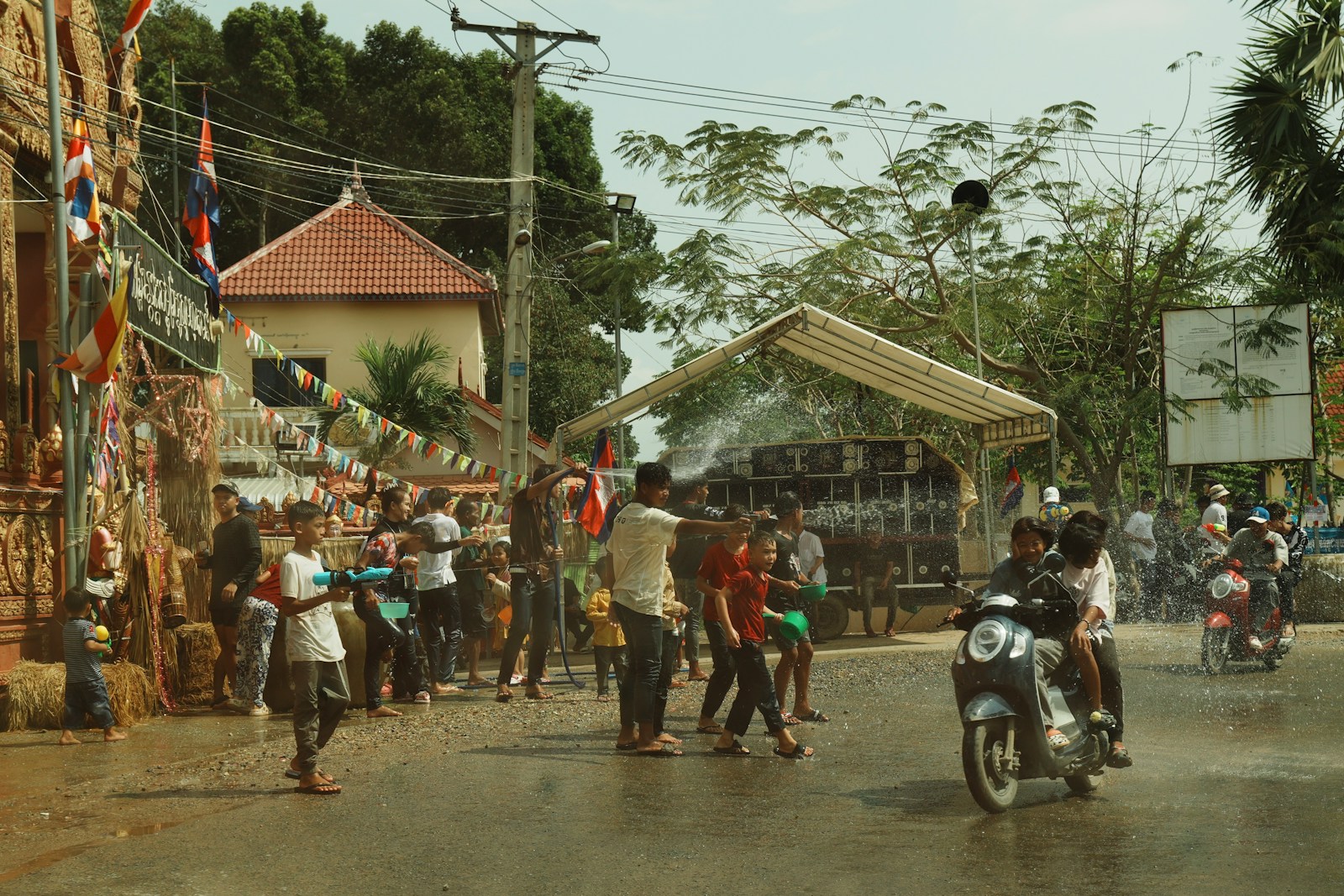
Stalls are not decoration; they are infrastructure. A fair funds the temple and feeds the block. Recipes migrate from day markets to night trays. Parents negotiate bedtimes against one more round of games. The atmosphere is macro — colour, bass, laughter — while the transactions stay micro: a skewer, a candle, a small donation box.
Phuket Town’s Sino-Portuguese streets and the island’s hillside wats each host slightly different tempos. Near the coast, sea air mixes with sugar and chilli. Inland, the night cools faster and conversations linger longer. Geography writes the soundtrack as much as the DJ does.
What travellers can learn without collecting trophies
Observing a temple fair well means watching transitions: when music softens for a blessing; when a procession cuts through the crowd; when someone removes shoes without being asked. The lesson is not a checklist of “must-see” stalls. It is that Thai festival culture often holds sacred and playful in the same frame — and asks participants to keep that frame intact.
Modern carnival spectacle on the island borrows some of the same hunger for shared light and height. Understanding the temple fair helps you see the borrow clearly: spectacle can be rented; culture is rehearsed in courtyards first.