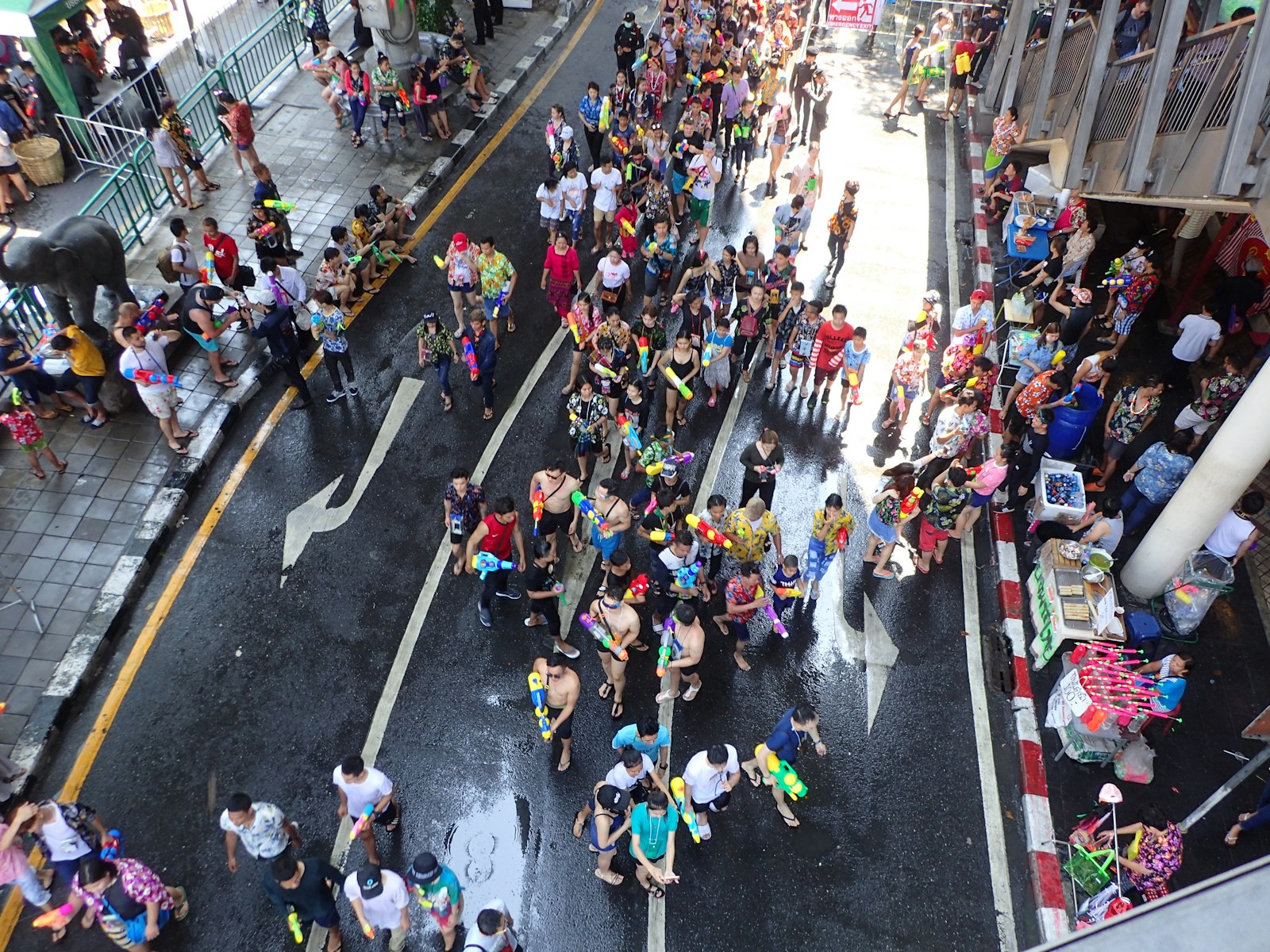
Songkran arrives when Phuket’s dry season has already written dust into the air. Water answers that dust with theatre. Buckets appear on pickup trucks. Hoses invent temporary rivers across asphalt. Strangers negotiate splash zones with laughter and sudden truces when a more solemn procession passes.
The festival marks the traditional Thai new year. Its popular image is the water fight; its older grammar includes pouring scented water over the hands of elders, cleaning Buddha images, and visiting family. On Phuket’s roads, both layers coexist — sometimes in the same hour.
A moving negotiation
Street Songkran is a choreography of consent that looks chaotic from a balcony and feels precise from inside the spray. Eye contact matters. A raised palm can pause a hose. Children learn early that joy has edges: do not aim at faces carelessly; do not waste water as pure aggression; watch for monks and elders.
To be soaked by a stranger is to join the island’s temporary republic.
That republic lasts only days, but it rewires public space. Intersections become stages. Beach roads become corridors of foam and music. Hotels and shops board up or lean in, depending on their temperament. Carnival Lights refuses tourist-checklist energy here. The more interesting question is what renewal means when a whole island agrees that joy is civic infrastructure.
Heat, hospitality, and humour
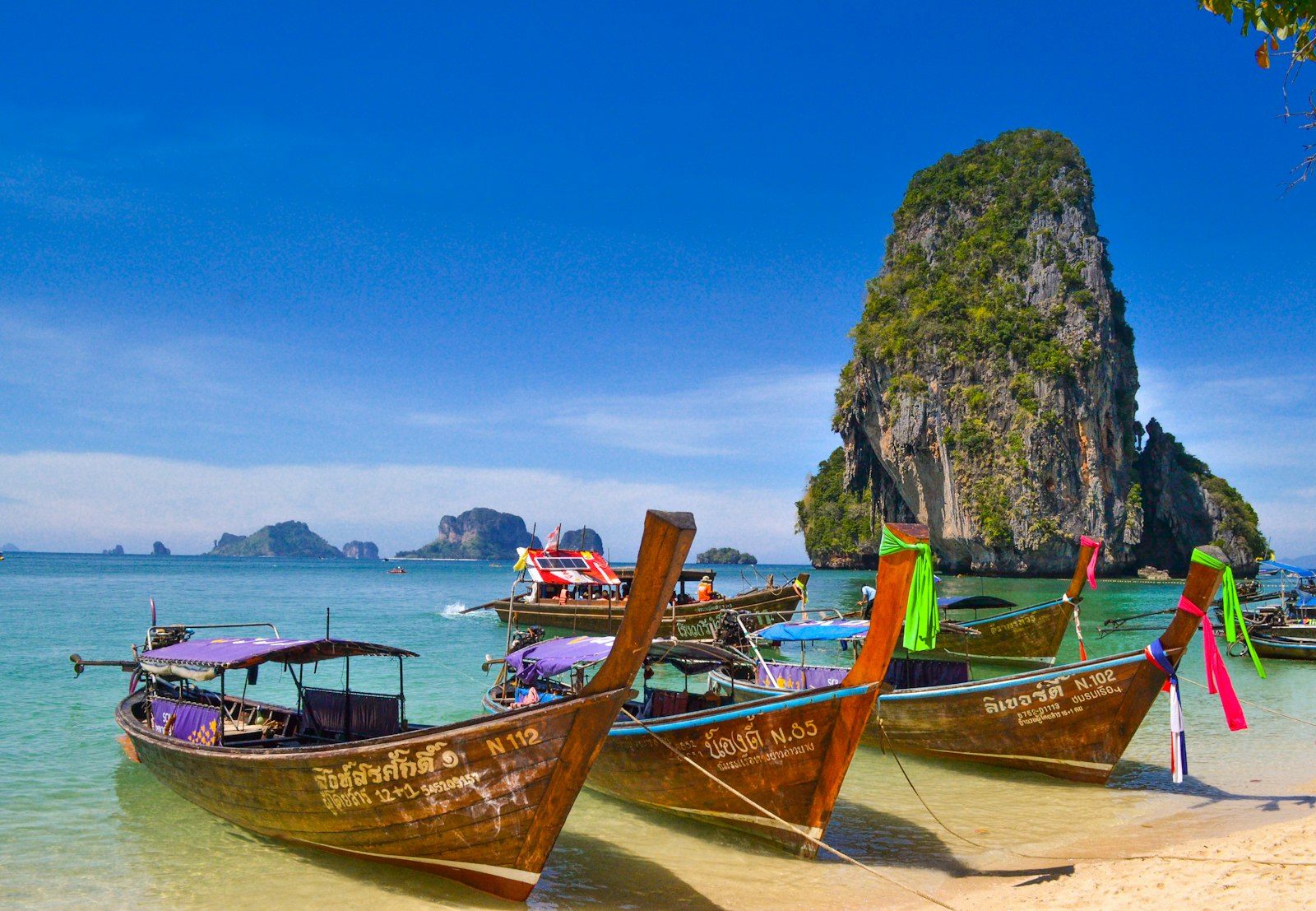
Water is symbolic and literal. It washes the dry season from skin and hesitation from the street. It also creates a shared joke: everyone looks slightly ridiculous, which is a democratic costume. Locals and visitors share the same soaked shirts, though they may read the rite differently — blessing versus game, family versus party.
Respectful participation means learning the local temperature of play. Some neighbourhoods run hotter; some keep a gentler pour near temples. Listening beats performing. The carnival spirit of Songkran is not imported foam cannons alone; it is the island’s long practice of using water to mark time.
After the streets dry
When the trucks leave and the asphalt returns to ordinary heat, what remains is a sharper memory of permission — the feeling that strangers can share a joke large enough to soak a city. That memory feeds other festivals: the readiness to gather, the trust that public joy can be negotiated, the knowledge that Phuket knows how to turn weather into culture.