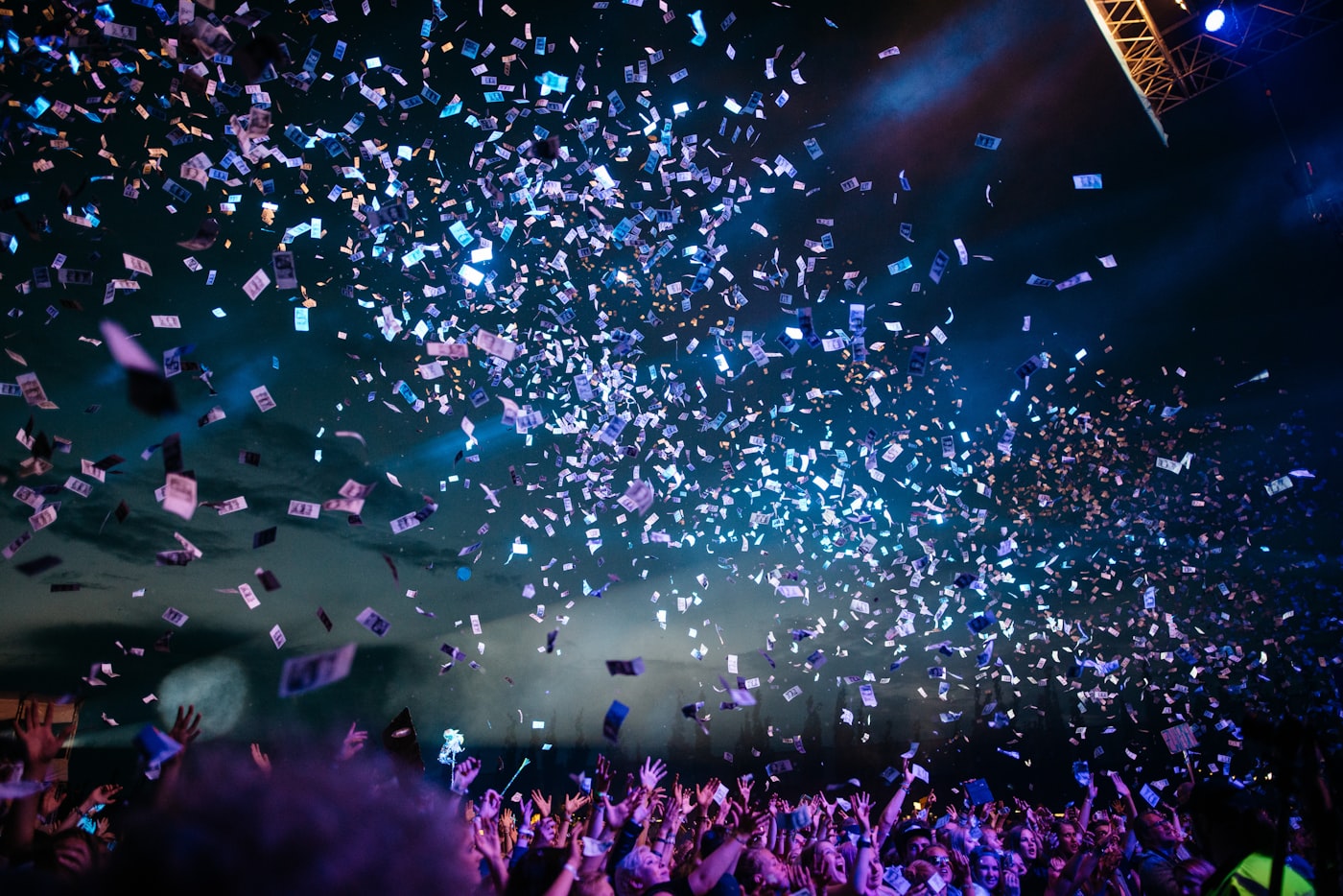
A festival without performance is mostly logistics. Add bodies in costume, a drum line, a joke flung at the front row, and the night becomes a story people can remember in muscle. On Phuket and across Thailand, festival grounds double as open theatres — sometimes polished, sometimes gloriously improvised.
Layers on one stage
Thai festival performance rarely stays in one genre. An evening might move from a respectful classical dance excerpt to a folk percussion burst, then to a popular singer whose lyrics the crowd already knows by chorus. Likay and related popular theatre traditions — with their bright costumes and direct address — remind audiences that entertainment can be moral, comic, and communal at once.
Processional arts matter as much as staged ones. Drummers who walk, dancers who accompany a parade, children practising steps at the edge of the light: these keep performance porous. Anyone lingering becomes part of the frame.
The stage is temporary; the habit of watching together is permanent.
Phuket’s particular mix
Island festivals absorb coastal audiences — travellers, workers, long-settled families — so stages often code-switch. A temple fair may host a local school dance troupe at dusk and a louder set later. Chinese-influenced celebrations in town can bring lion dance energy into streets that also know Thai pop. The Andaman night air carries sound farther than inland valleys; volume becomes geography.
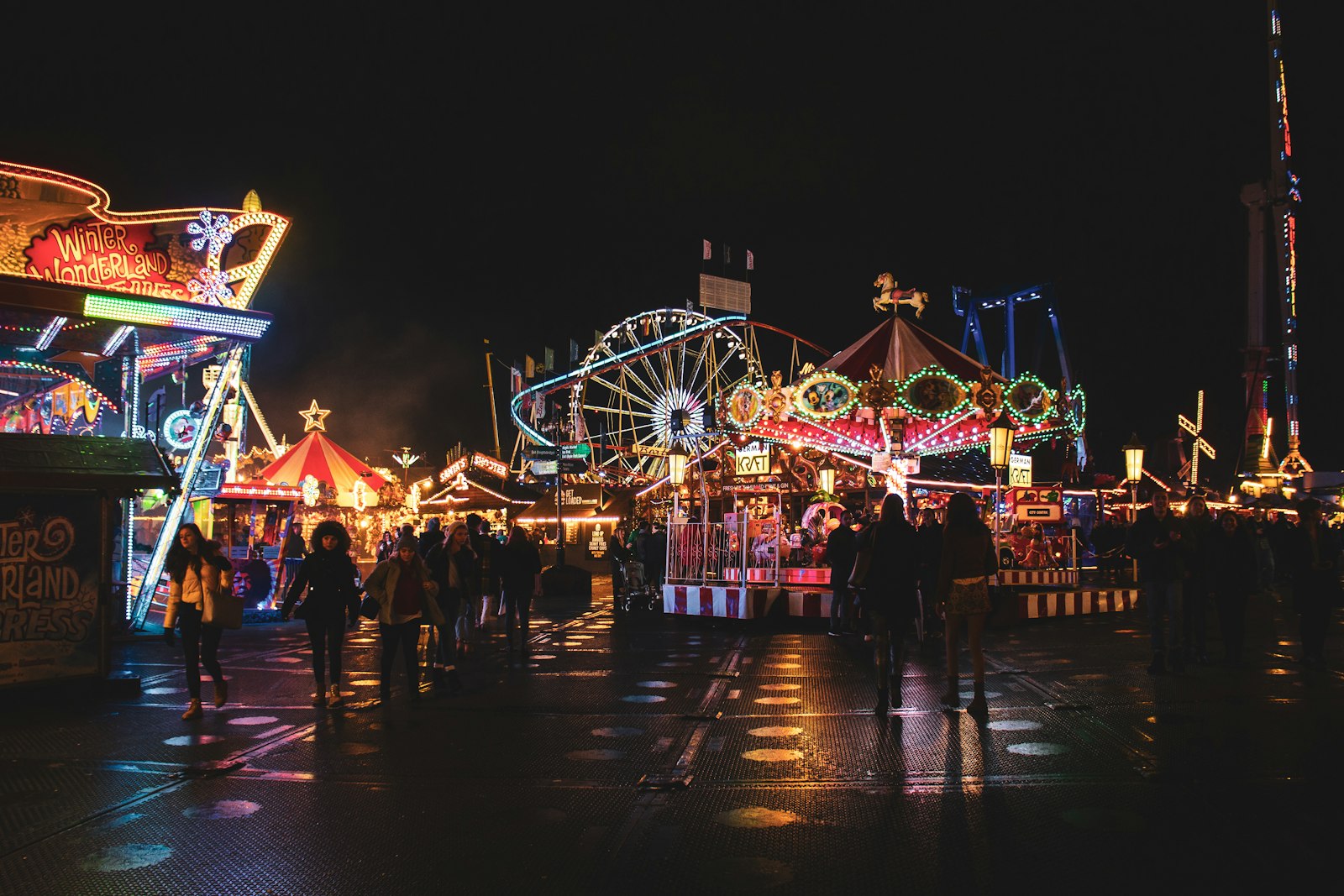
Contemporary carnival and leisure spectacles borrow theatrical hunger: height, costume, timed shows, shared gasps. Carnival Lights notes the rhyme without collapsing temple courtyard and amusement stage into one product. Different contracts govern each — merit and neighbourhood on one side, ticketed leisure on the other — but the appetite for embodied wonder overlaps.
How to watch well
Good spectatorship at a Thai festival is active humility. Give dancers space. Do not block processions for a photo. Clap when the room claps; quiet when elders quiet. Notice who is performing for merit, who for wages, who for both. Performance arts are labour as well as beauty.
Read this way, festival stages become cultural documents: living archives of gesture, joke, and beat that no static museum can fully hold.