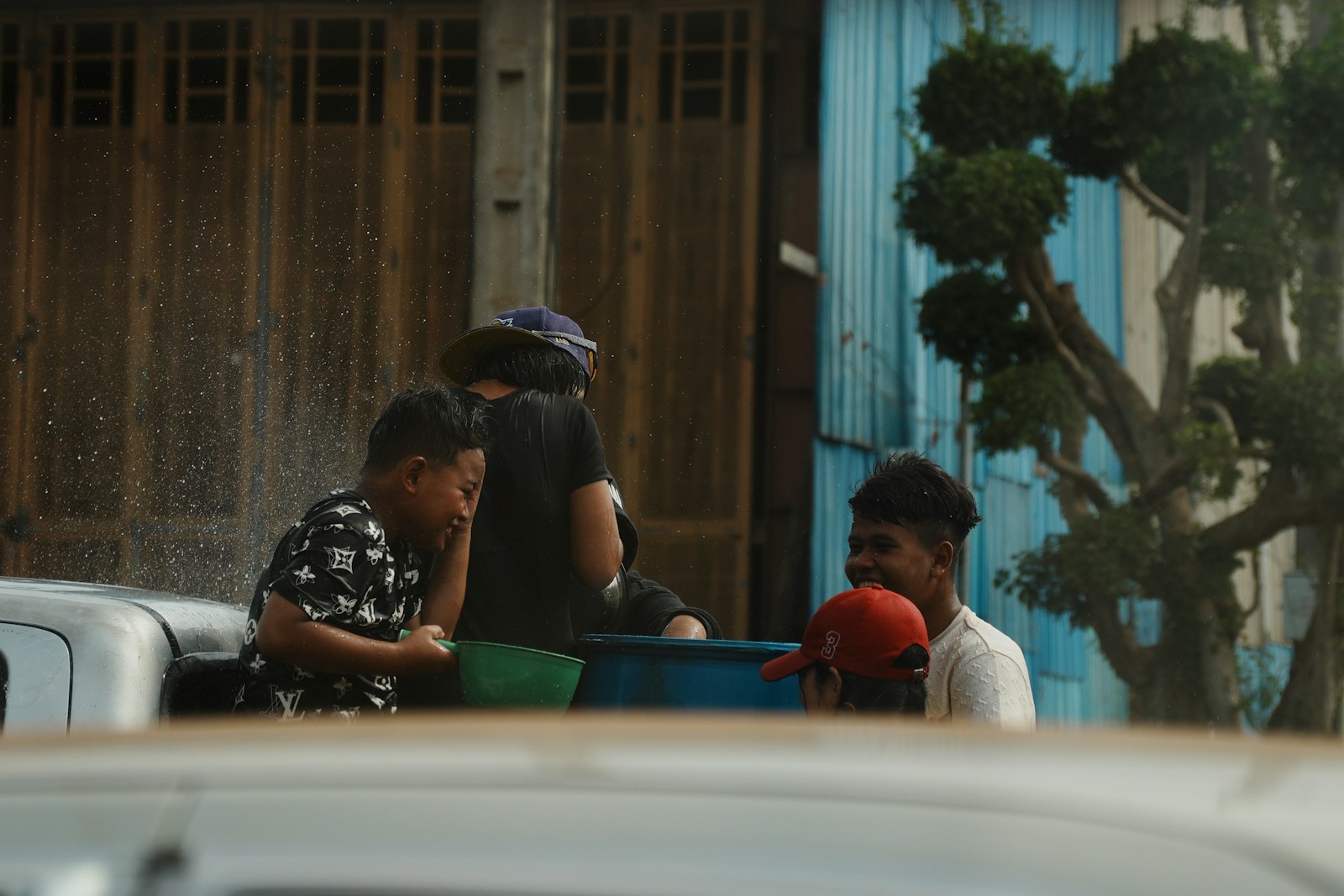
“Carnival” is a borrowed European word that Southeast Asia has rewritten. Across the region, communities invent street seasons that invert ordinary time: processions that claim the road, costumes that loosen everyday hierarchy, food that appears only when the calendar turns festive. Phuket’s celebrations sit inside that wider map — not as copies, but as cousins.
Shared grammar
Look across borders and patterns rhyme. Temporary stalls colonise plazas. Drums or speaker stacks announce that tonight is different. Water, fire, or light often mark renewal. Youth invent styles that elders tolerate for a season. Merchants and rituals share the same square metre.
In the Philippines, colourful street festivals braid Catholic calendars with local performance. In parts of Indonesia and Malaysia, processions and harvest joys take forms shaped by island geography and faith. Vietnam’s lunar celebrations flood streets with family traffic and lantern glow. Laos and Cambodia hold water and new-year rites that travellers sometimes compare too quickly to Songkran — related, not identical.
Shared grammar, local dialects: the region celebrates in conversation, not in unison.
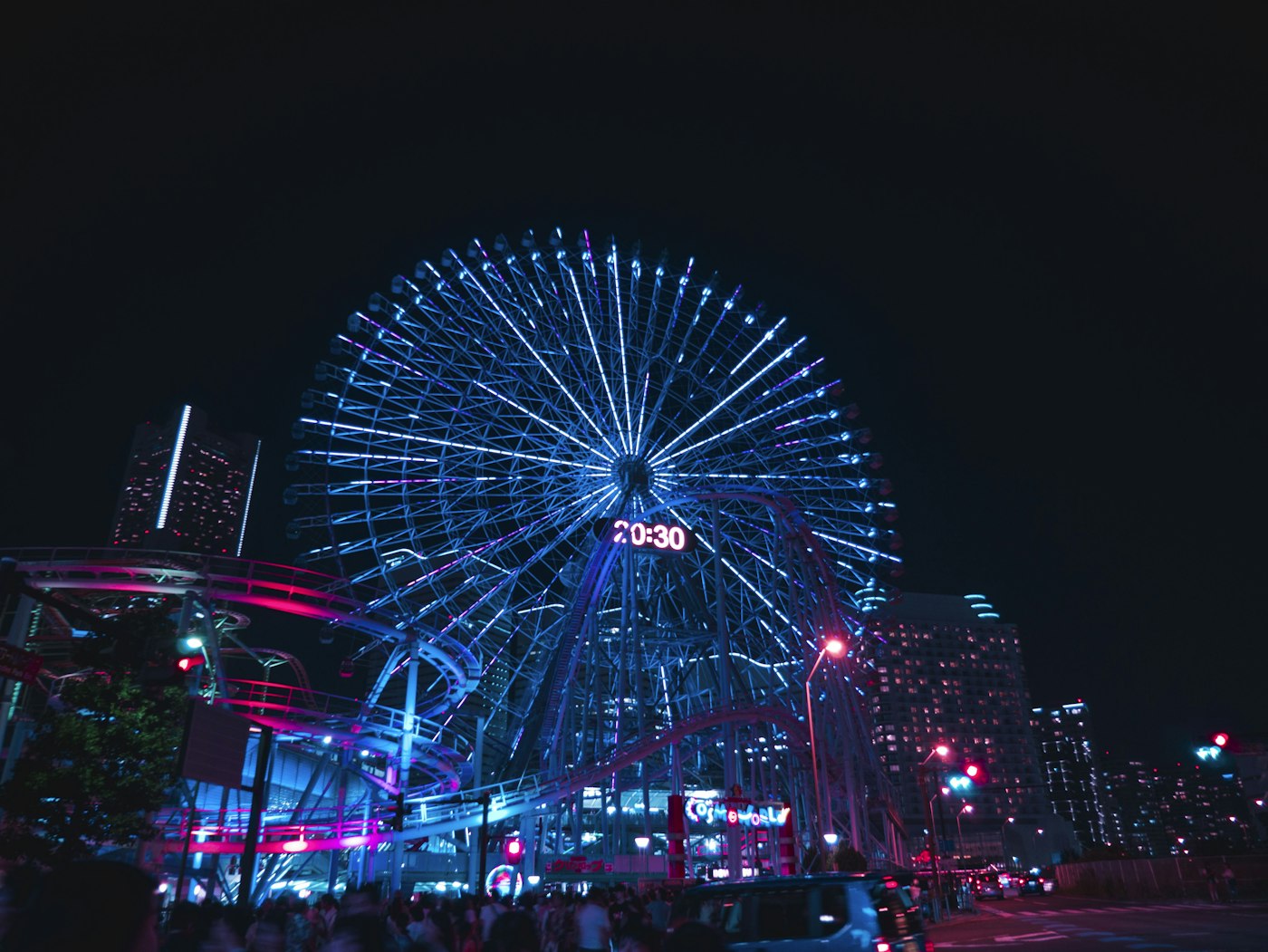
Where Phuket fits
Phuket’s festival culture draws on Thai Buddhist calendars, Chinese-influenced town life, Andaman coastal rhythms, and the global leisure industry that arrived later. Temple fairs feel deeply local. Songkran participates in a mainland Southeast Asian water-new-year family. Night markets echo a regional love of edible night. Contemporary carnival parks and neon leisure speak a more international fairground language — still fed by the same hunger for height, colour, and shared scream.
Carnival Lights keeps the comparison careful. We do not flatten diversity into one “Asian carnival.” We ask what travels (bulbs, bass, crowds) and what stays rooted (temple etiquette, specific offerings, local jokes).
Why comparison helps readers
For a journal based on Phuket, regional context prevents two errors: treating every island celebration as unique without ancestry, or treating every celebration as interchangeable tourism product. Culture is neither souvenir nor monolith. It is practice — rehearsed in courtyards and streets, season after season, from Phuket to neighbouring calendars of joy.